Prepared feed
Describe the material leaving the previous stage and how it is transferred into the cone-crushing part of the process.
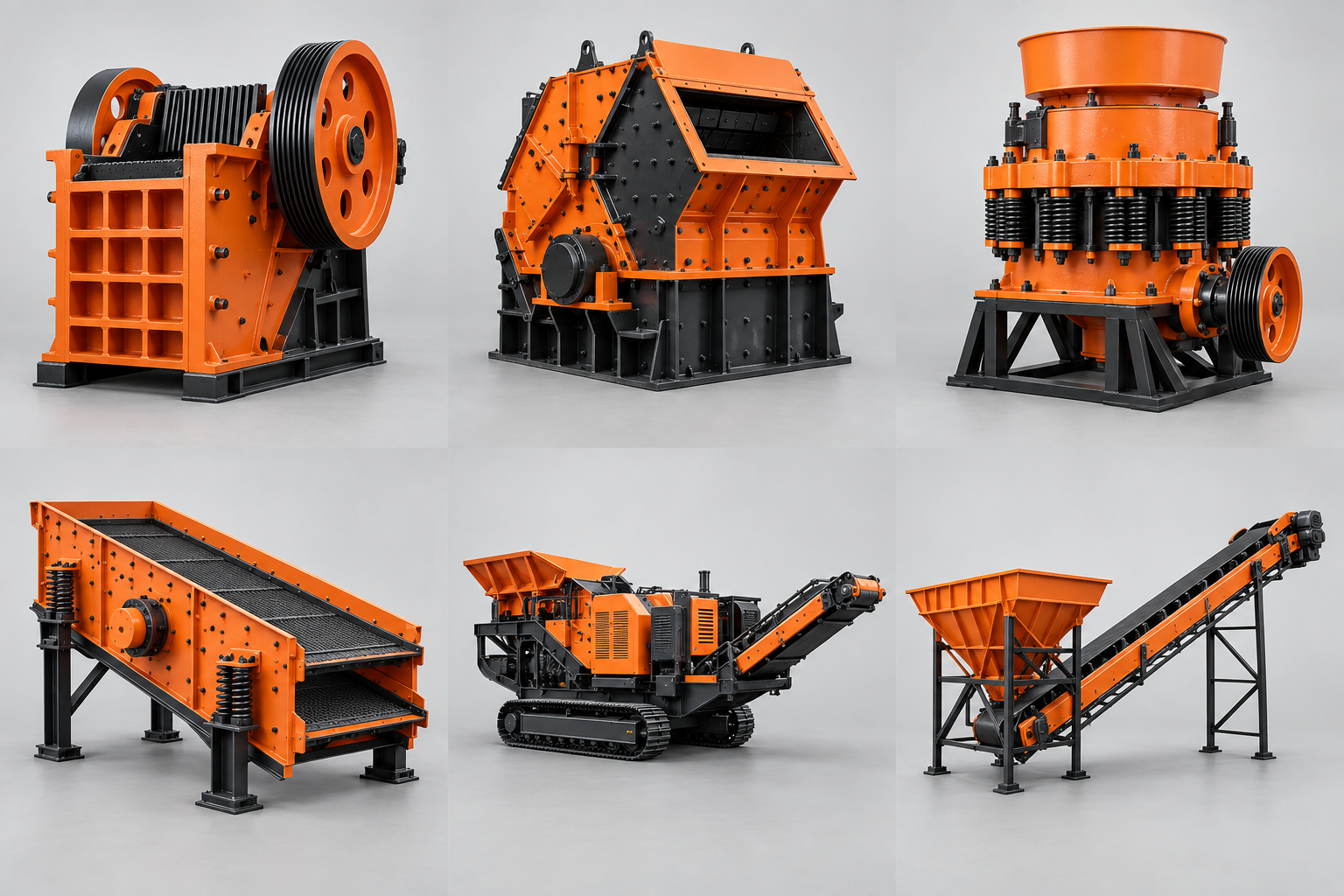
ROCKLINE · PRODUCT RANGE
Explore a later-stage reduction discussion around prepared feed, chamber selection and the relationship with screening and recirculation.
THE EQUIPMENT IN CONTEXT
Cone-crusher planning commonly follows an earlier reduction stage. The useful brief describes the material arriving at the cone, the consistency of that feed and the final fractions required from the process. Feeding, chamber choice and screening should be considered together. A cone is one part of a connected circuit, so the route taken by material that needs further processing belongs in the same review.
A chamber or setting should not be selected in isolation from feed condition. The proposed arrangement needs material-specific review rather than a general promise of output or product quality. A crushing or screening stage belongs in a material flow rather than an isolated equipment list. Feed condition, transfers, recirculation and stockpile arrangements affect the proposal. Start with a representative material description and the intended final products. Equipment selection and any production expectations need review against actual site and material conditions.
WHAT TO CONSIDER
Describe the material leaving the previous stage and how it is transferred into the cone-crushing part of the process.
Review the proposed chamber and working arrangement against feed and product requirements using the actual equipment documentation.
Connect the reduction stage to the separation of final fractions and the treatment of material requiring another pass. Connect this choice to the feed, surrounding stages and intended final fractions rather than treating it in isolation.
Include inspection and wear-component handling in the site layout so the proposed process remains practical to maintain.
CONFIGURATION PLANNING
Start with these inputs to make your equipment enquiry more specific.
Discuss a Configuration| 01 | Feed condition after the preceding reduction stage. Describe the incoming material and the variation expected between loads. |
|---|---|
| 02 | Feeding and transfer arrangement into the proposed cone. Keep the intended final fractions visible in the process discussion. |
| 03 | Chamber selection in relation to material requirements. Include transfer points and stockpile access in the layout review. |
| 04 | Screening and recirculation within the complete circuit. Discuss inspection and wear-part access before fixing the arrangement. |
| 05 | Access and identification for wear-component work. Ask how the proposed stage will be evaluated with representative material. |
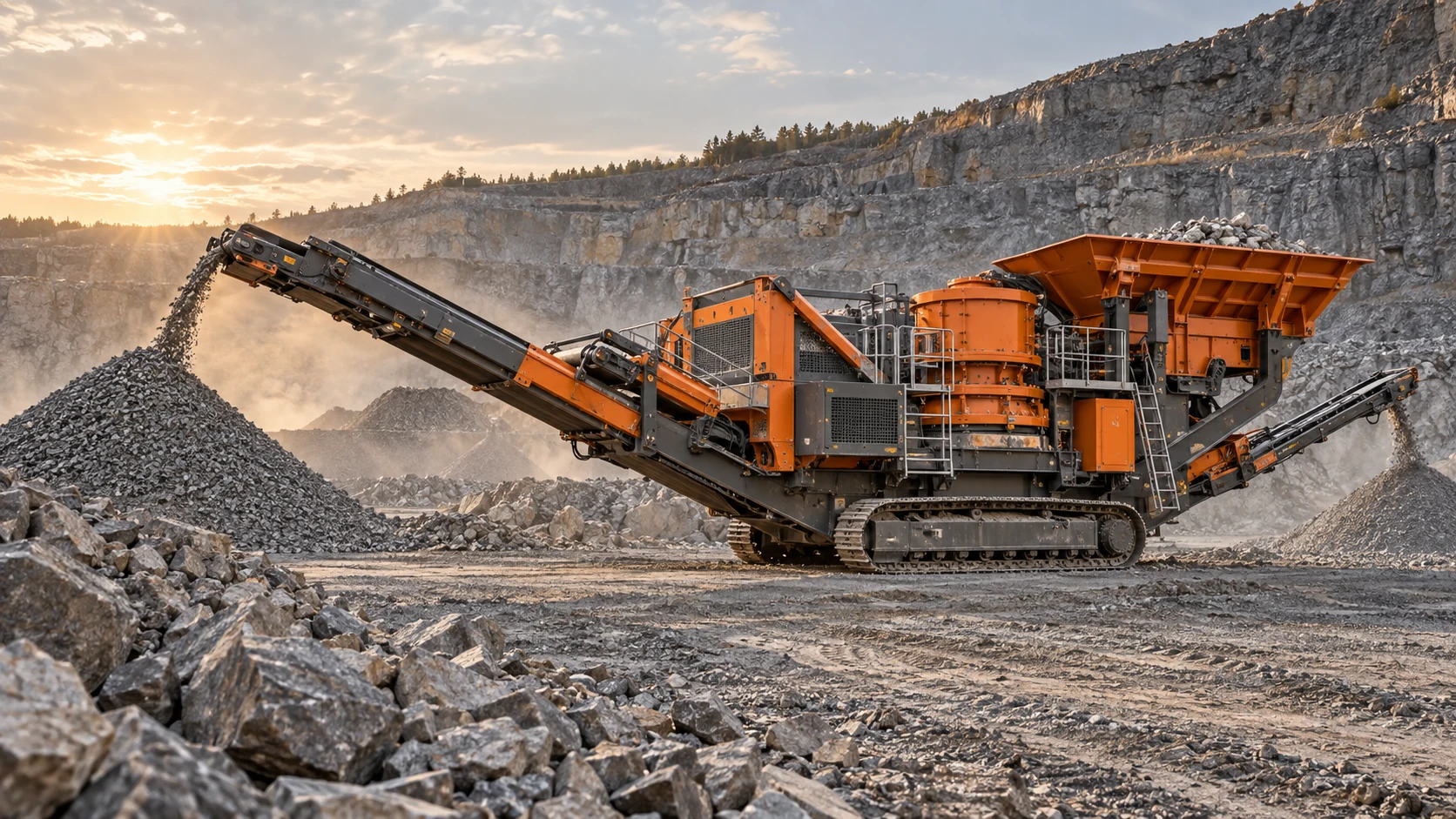
WHERE IT FITS
BUYER’S CHECKLIST
What condition will the upstream stage deliver to the cone?
How will feed be presented consistently to the proposed stage?
Which material returns and which leaves as a final product?
BEFORE YOU SPECIFY
The upstream material condition is an important input. Include it so chamber and feeding discussions have a useful basis.
No. Screening and the complete process also influence final grading. The intended products should be assessed at the circuit level.
Identify incoming feed, cone reduction, screening and any return stream, with the destinations of final fractions made clear. The process should be reviewed with the actual material, site layout and required final fractions. A crusher or screen category alone cannot establish finished grading, suitability or production output.
CONNECTED APPLICATIONS
COMPARE THE RANGE
Explore primary-stage crushing around incoming rock, feed presentation and the requirements of the process that follows.
Discuss impact reduction in relation to material behavior, desired product characteristics and the wear implications of the actual feed.
Organize material separation around final fractions, feed condition and the route from screen decks into distinct stockpiles.
LET’S BUILD WHAT’S NEXT