Feed presentation
Discuss how incoming loads become a suitable feed stream for the following crusher, screen or transfer stage.
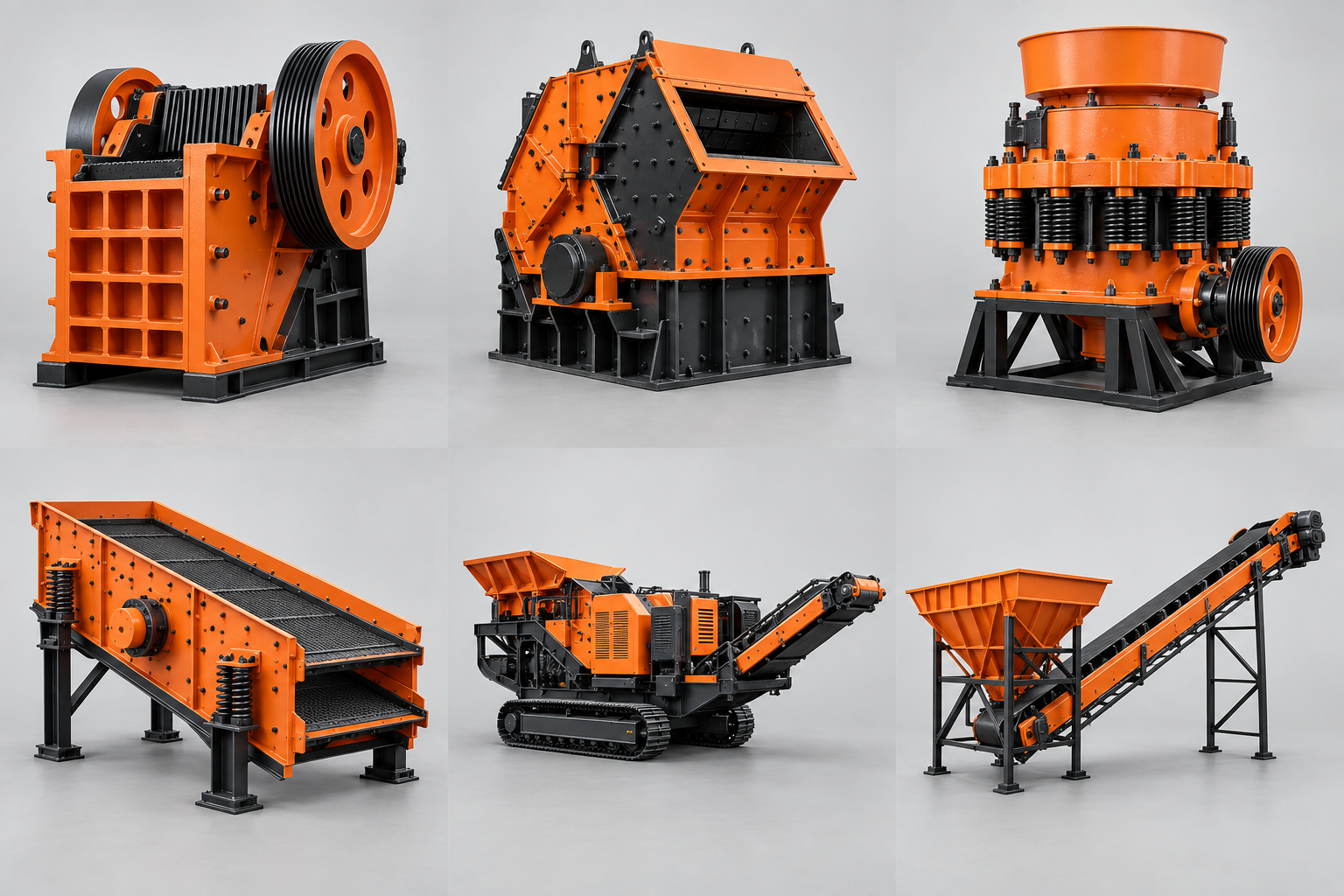
ROCKLINE · PRODUCT RANGE
Connect material preparation, processing stages and stockpiles through a clear feeding and transfer plan.
THE EQUIPMENT IN CONTEXT
Feeders and conveyors give individual machines a connected material route. The brief should explain where material arrives, how it is presented to the next stage and where each stream goes. Changes in material condition and the layout around loading points matter as much as the transfer line on a drawing. Review the proposed feeding and conveying functions with the equipment they serve rather than selecting them as generic accessories.
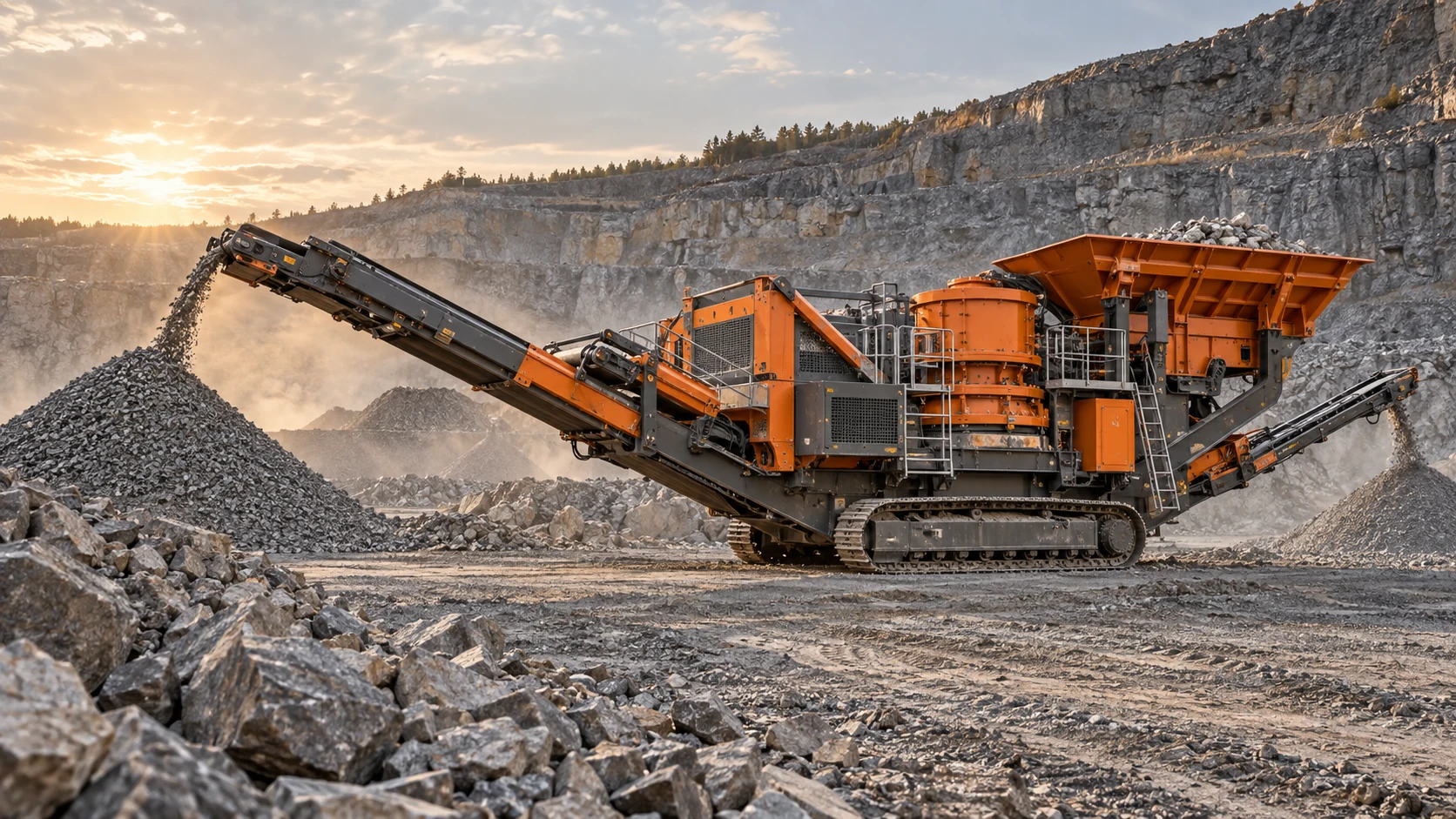
A transfer that looks straightforward in an illustration may still need material-specific review. Loading, containment, access and the effect on the following stage should be discussed for the actual arrangement. A crushing or screening stage belongs in a material flow rather than an isolated equipment list. Feed condition, transfers, recirculation and stockpile arrangements affect the proposal. Start with a representative material description and the intended final products. Equipment selection and any production expectations need review against actual site and material conditions.
WHAT TO CONSIDER
Discuss how incoming loads become a suitable feed stream for the following crusher, screen or transfer stage.
Identify the receiving and discharge points so equipment connections can be reviewed against material and layout requirements. Connect this choice to the feed, surrounding stages and intended final fractions rather than treating it in isolation.
Consider loading zones and the route along the conveyor, with housekeeping and access included in the site discussion.
Review where material leaves the transfer system and how the resulting stockpile fits vehicle movement and product separation.
CONFIGURATION PLANNING
Start with these inputs to make your equipment enquiry more specific.
Discuss a Configuration| 01 | Material condition at each loading point. Describe the incoming material and the variation expected between loads. |
|---|---|
| 02 | Feeding role before the proposed processing stage. Keep the intended final fractions visible in the process discussion. |
| 03 | Receiving and discharge interfaces between equipment. Include transfer points and stockpile access in the layout review. |
| 04 | Containment and inspection access along transfer routes. Discuss inspection and wear-part access before fixing the arrangement. |
| 05 | Stockpile destinations and vehicle access around them. Ask how the proposed stage will be evaluated with representative material. |
WHERE IT FITS
BUYER’S CHECKLIST
What material arrives at each feeding or transfer point?
How does the following equipment need to receive that stream?
Where must inspection and maintenance access remain available?
BEFORE YOU SPECIFY
They should be considered early because transfer points and stockpile routes influence the complete site arrangement.
Its role must be defined in the process. Discuss how material is received and presented rather than relying on appearance.
Identify the material, source and destination of each stream, together with loading, containment and access requirements. The process should be reviewed with the actual material, site layout and required final fractions. A crusher or screen category alone cannot establish finished grading, suitability or production output.
CONNECTED APPLICATIONS
COMPARE THE RANGE
Explore primary-stage crushing around incoming rock, feed presentation and the requirements of the process that follows.
Discuss impact reduction in relation to material behavior, desired product characteristics and the wear implications of the actual feed.
Explore a later-stage reduction discussion around prepared feed, chamber selection and the relationship with screening and recirculation.
LET’S BUILD WHAT’S NEXT