Media openings are treated as guarantees
The actual separation also depends on material and feed conditions, so the intended products need review.
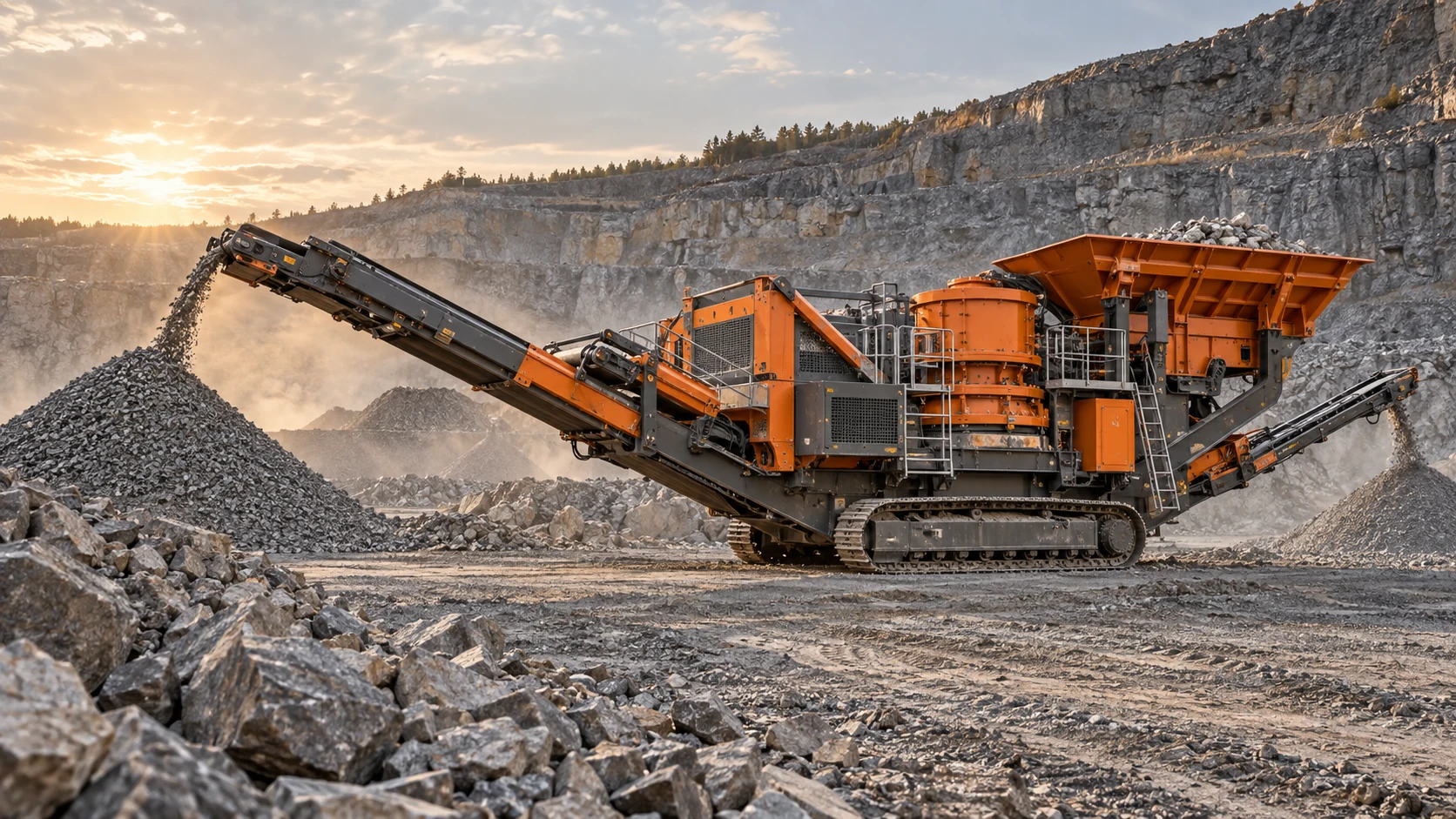
APPLICATION SOLUTIONS
Separation is useful when each output has a clear destination.
Discuss Your ApplicationUNDERSTAND THE APPLICATION
The actual separation also depends on material and feed conditions, so the intended products need review.
Stockpiles and vehicle routes can interfere unless they are planned alongside the screen and transfers.
A stream requiring further processing should be distinguished from final products on the process diagram.
A CONNECTED WORKFLOW
Identify the fractions required and the use or destination of each material leaving the separation stage.
Include moisture and other material conditions that matter to a screen-media and deck discussion.
Connect each output to its stockpile or next processing stage, including any recirculation route.
Check how equipment inspection and vehicle movement fit around the proposed screen, transfers and stockpiles.
EQUIPMENT TO CONSIDER
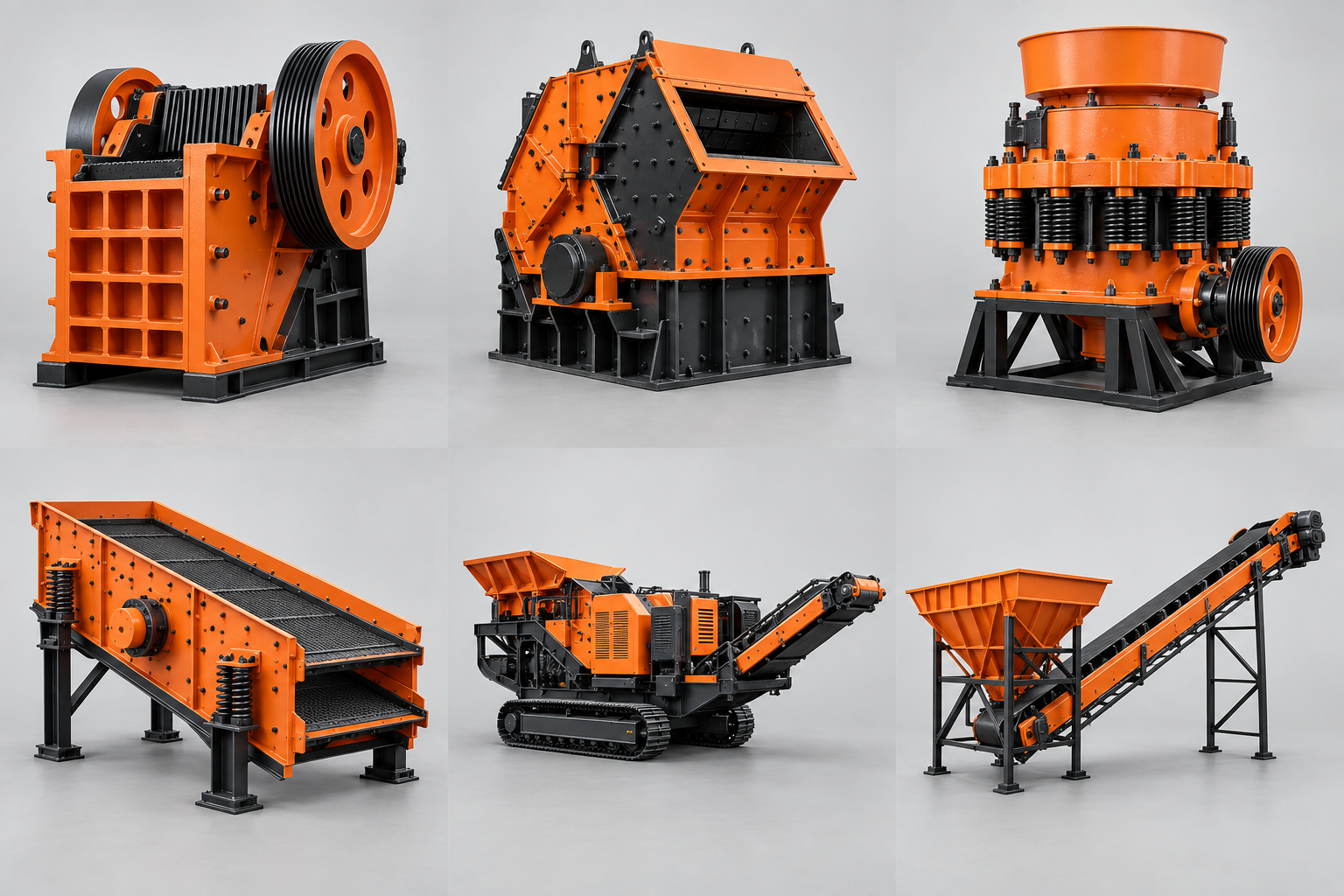
Organize material separation around final fractions, feed condition and the route from screen decks into distinct stockpiles.
Explore transportable crushing or screening arrangements around the worksite, relocation pattern and the complete material route.
Connect material preparation, processing stages and stockpiles through a clear feeding and transfer plan.
PROJECT PLANNING
Use these points to prepare your application brief and guide a more focused equipment discussion.
Prepare an EnquiryKeep final and return streams separately identified. Keep raw material and final product descriptions together.
Show the destination of every proposed screen output. Show each transfer and stockpile in the proposed site arrangement.
Describe material variation at the separation stage. Include access for inspection and wear-part work.
Include stockpile access beside transfer equipment. Agree how representative material will inform the process review.
BEFORE YOU SPECIFY
No. Start with the required products and actual material, then review decks, media and the surrounding route.
They determine where products go and how they are accessed, making them part of the complete handling arrangement.
The proposed flow should distinguish their roles clearly so the circuit can be assessed without ambiguity.
SERVICE & SUPPORT
From the first conversation to future equipment needs, keep the important details connected.
Discuss the incoming material and intended end products, then explore a relevant route through the equipment range.
Connect the roles of crushing and screening stages within an agreed project scope, with options reviewed for the application.
Consider equipment placement, transfer points, stockpiles and transport arrangements as parts of the same site plan.
Discuss equipment identification, maintenance documentation and wear-part requirements alongside the proposed configuration.
LET’S BUILD WHAT’S NEXT