A broad rock name hides variation
The proposal needs useful material information rather than an assumption that all feed behaves identically.
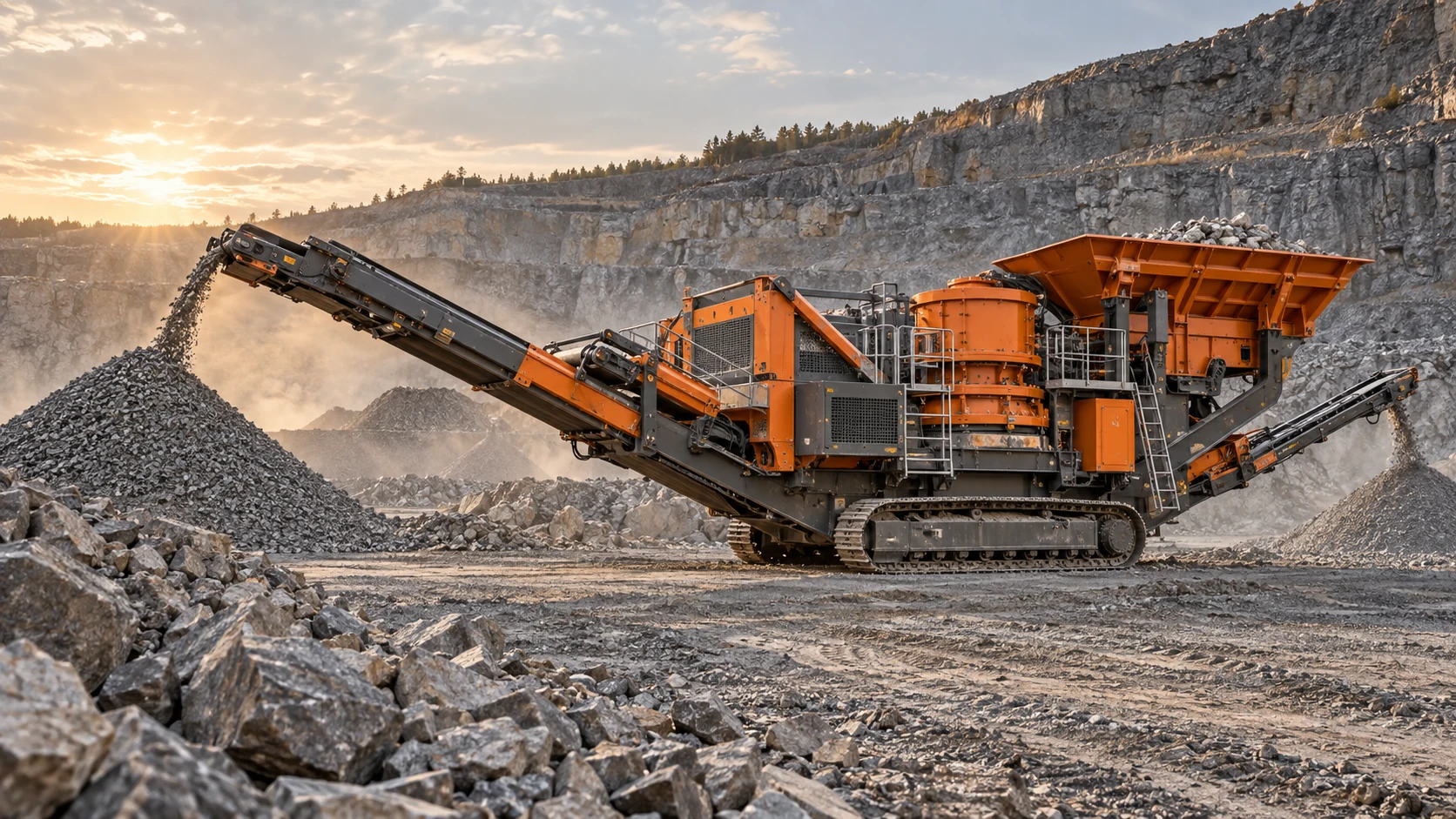
APPLICATION SOLUTIONS
A hard-rock brief should describe the actual geology and its variability, then connect reduction stages to the intended final fractions.
Discuss Your ApplicationUNDERSTAND THE APPLICATION
The proposal needs useful material information rather than an assumption that all feed behaves identically.
The material delivered by primary reduction influences what a later stage is expected to receive.
Inspection and component-handling access should be reviewed for the actual process and material.
A CONNECTED WORKFLOW
Describe the actual rock and expected variation with material information appropriate to the project review.
Identify the required final fractions and how they will be separated and handled at the site.
Discuss jaw and cone concepts with feeding, screening and recirculation rather than as independent equipment choices.
Keep access for inspection and wear-part work visible alongside the proposed material route and stockpiles.
EQUIPMENT TO CONSIDER
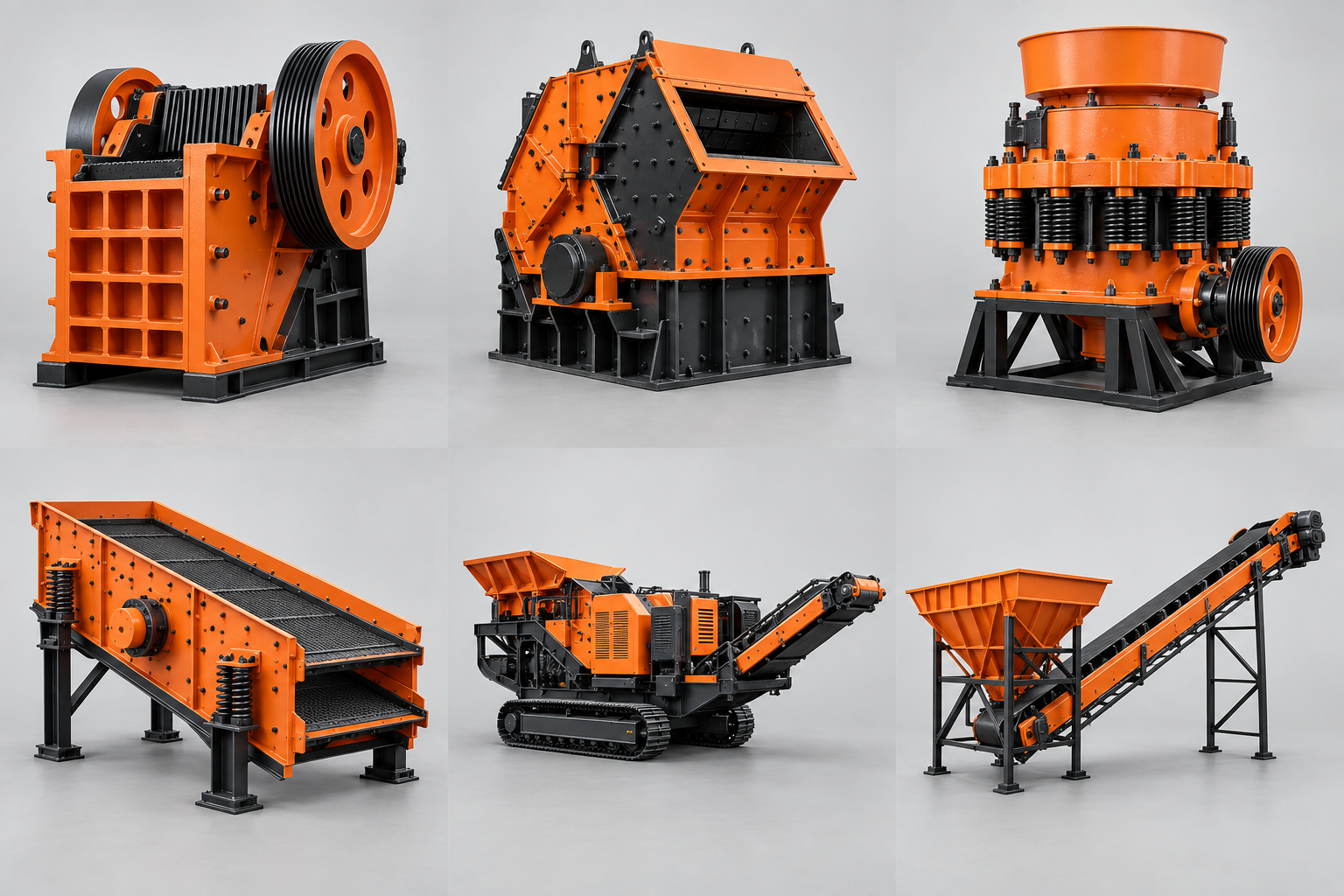
Explore primary-stage crushing around incoming rock, feed presentation and the requirements of the process that follows.
Explore a later-stage reduction discussion around prepared feed, chamber selection and the relationship with screening and recirculation.
Organize material separation around final fractions, feed condition and the route from screen decks into distinct stockpiles.
PROJECT PLANNING
Use these points to prepare your application brief and guide a more focused equipment discussion.
Prepare an EnquiryKeep geology information linked to feed sources. Keep raw material and final product descriptions together.
Describe the material delivered between reduction stages. Show each transfer and stockpile in the proposed site arrangement.
Show screening and return streams clearly. Include access for inspection and wear-part work.
Include wear-part handling in the layout discussion. Agree how representative material will inform the process review.
BEFORE YOU SPECIFY
No. The actual material, product requirements and site conditions need review before equipment roles are selected.
It defines what that stage is expected to receive and helps connect chamber and feeding discussions to the upstream process.
No. The page organizes planning topics and does not establish production performance for an actual installation.
SERVICE & SUPPORT
From the first conversation to future equipment needs, keep the important details connected.
Discuss the incoming material and intended end products, then explore a relevant route through the equipment range.
Connect the roles of crushing and screening stages within an agreed project scope, with options reviewed for the application.
Consider equipment placement, transfer points, stockpiles and transport arrangements as parts of the same site plan.
Discuss equipment identification, maintenance documentation and wear-part requirements alongside the proposed configuration.
LET’S BUILD WHAT’S NEXT